Nationwide coverage
Where we shoot
Vetted local photographers in twelve German cities and destinations. They know which hour a place is still empty and what the permits actually cost.
12 places
Search a place
Berlin
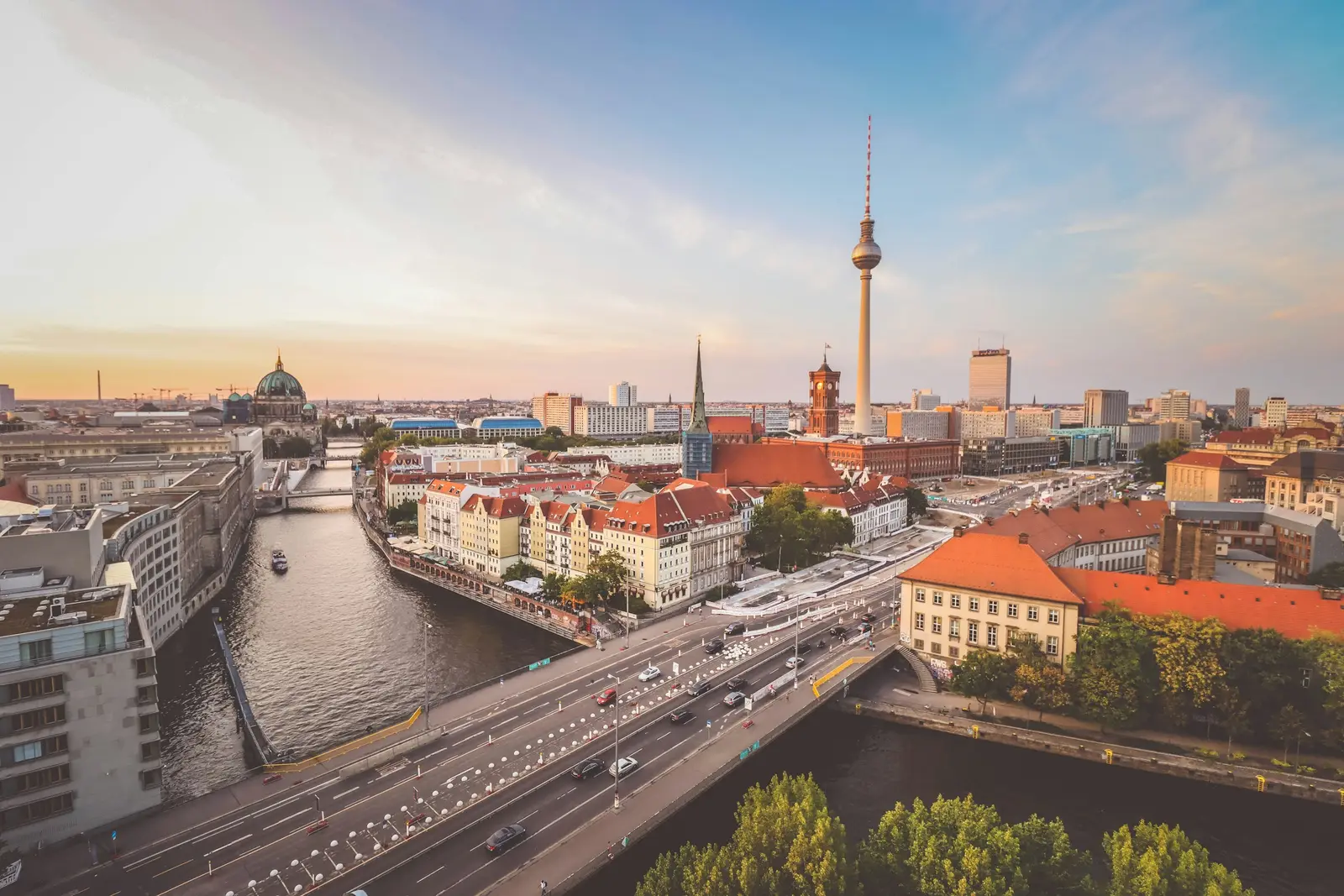
In a city with hills you plan a session by height. Here you plan it by distance. Berlin is nine times the size of Paris and almost entirely flat, so there is no viewpoint that shows you anything and no two locations you can join on foot in ten minutes. Wanting the Oberbaumbrücke and the Museumsinsel in the same hour means spending half of it on the U1. What follows is the rule the work here is planned around: one neighbourhood per session. Kreuzberg along the Landwehrkanal, Mitte between the Museumsinsel and Monbijou, Prenzlauer Berg around the water tower — each of those carries ninety minutes on its own. The second rule is about permission, and it catches people out: the street is free, but the large parks are administered by Grün Berlin and a commercial production in one is chargeable and has to be registered. Tempelhofer Feld has rules of its own again. That is settled beforehand, not when somebody in a hi-vis vest is standing next to you.
Explore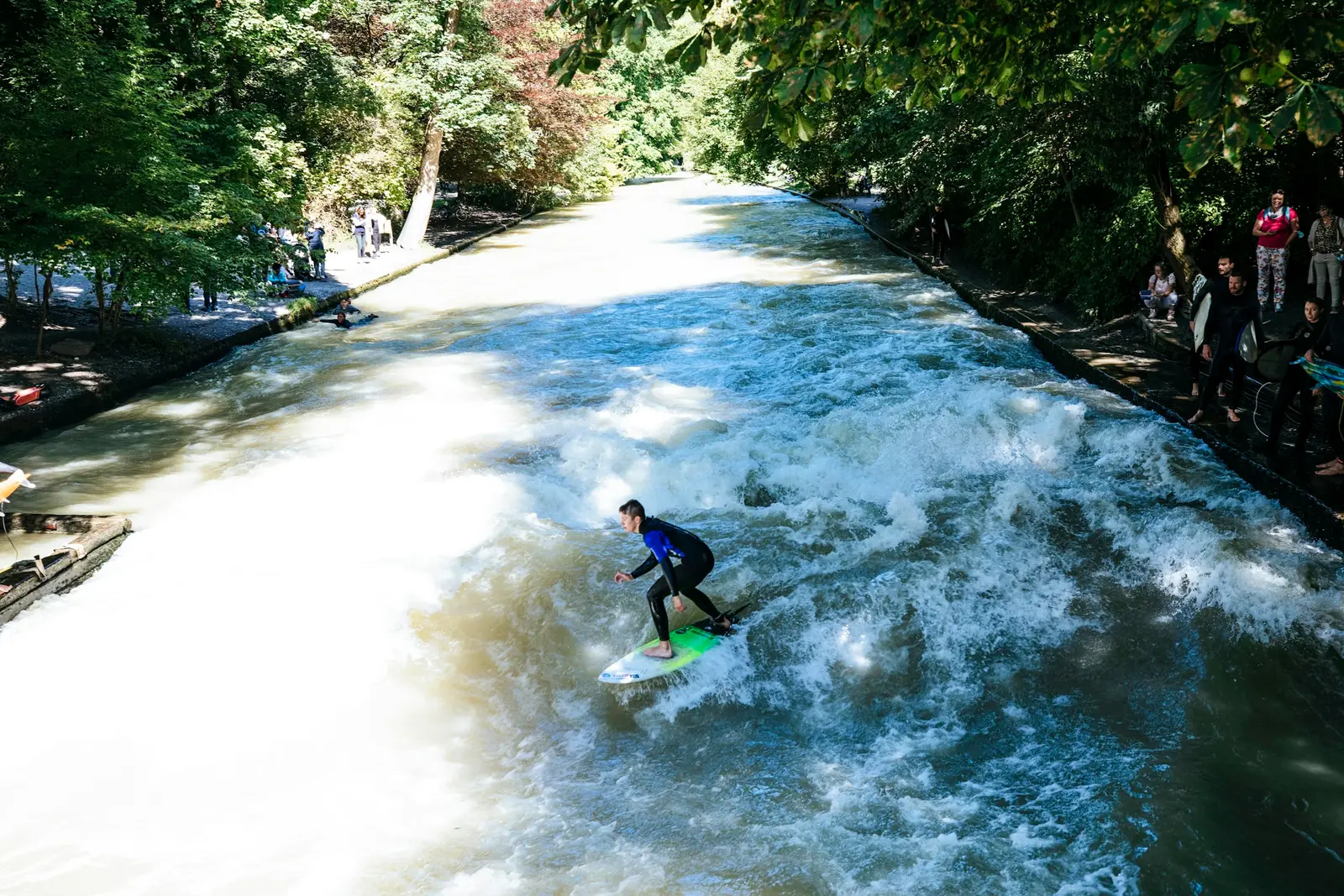
München
Munich has one subject no other German city has, and it is temperamental. In a Föhn the Alpine chain stands sharp on the southern horizon; on the other three hundred days it is not there. From the Olympiaberg and the Monopteros in the Englischer Garten that is the difference between a postcard and a grey band, and because a Föhn shows up in the forecast two or three days out it is the one booking on this site made at short notice rather than long. Everything else here is water and park. The Englischer Garten is larger than Central Park, the Isar runs re-naturalised for twelve kilometres inside the city and has gravel banks you stand on in August as though you were in the mountains. What costs money is the palaces: Nymphenburg and the Residenz belong to the Bavarian palace administration, and a commercial photograph in either needs permission and carries a fee. The park at Nymphenburg is free and the courtyard is not — a distinction that only becomes apparent once you are standing in it.
Explore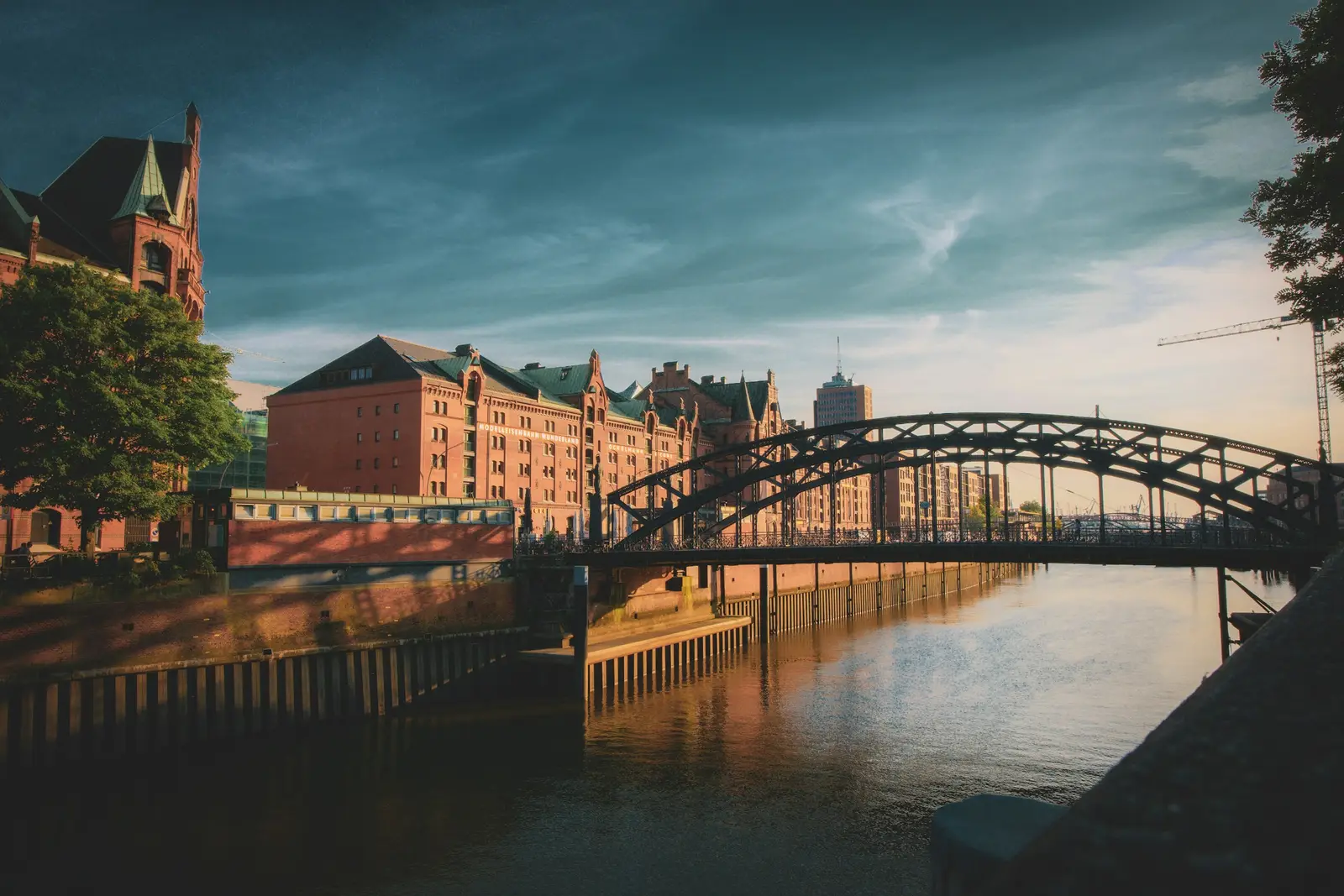
Hamburg
Hamburg sits at 53.5 degrees north, further north than anywhere else here, and that is not a footnote but the basis of the plan. On 21 June the sun sets at 21:55 and it stays light past eleven; on 21 December it is over at 15:50. A family session in June starts at half past eight in the evening; the same session in December starts at two. Ignore that and you book a five o’clock slot in winter and photograph in the dark. The second thing is the weather, and it is better than its reputation — just different. Hamburg has around a hundred and thirty days with rain, but rarely a whole day of it; the pattern is hourly, and it produces the light the city ought to be known for: a gap in the cloud over the Elbe that lights everything for a second. That is not a reason to move the date but a reason to build in twenty minutes of slack. What you do plan is an interior within reach — and in the Speicherstadt one is never more than five minutes away.
Explore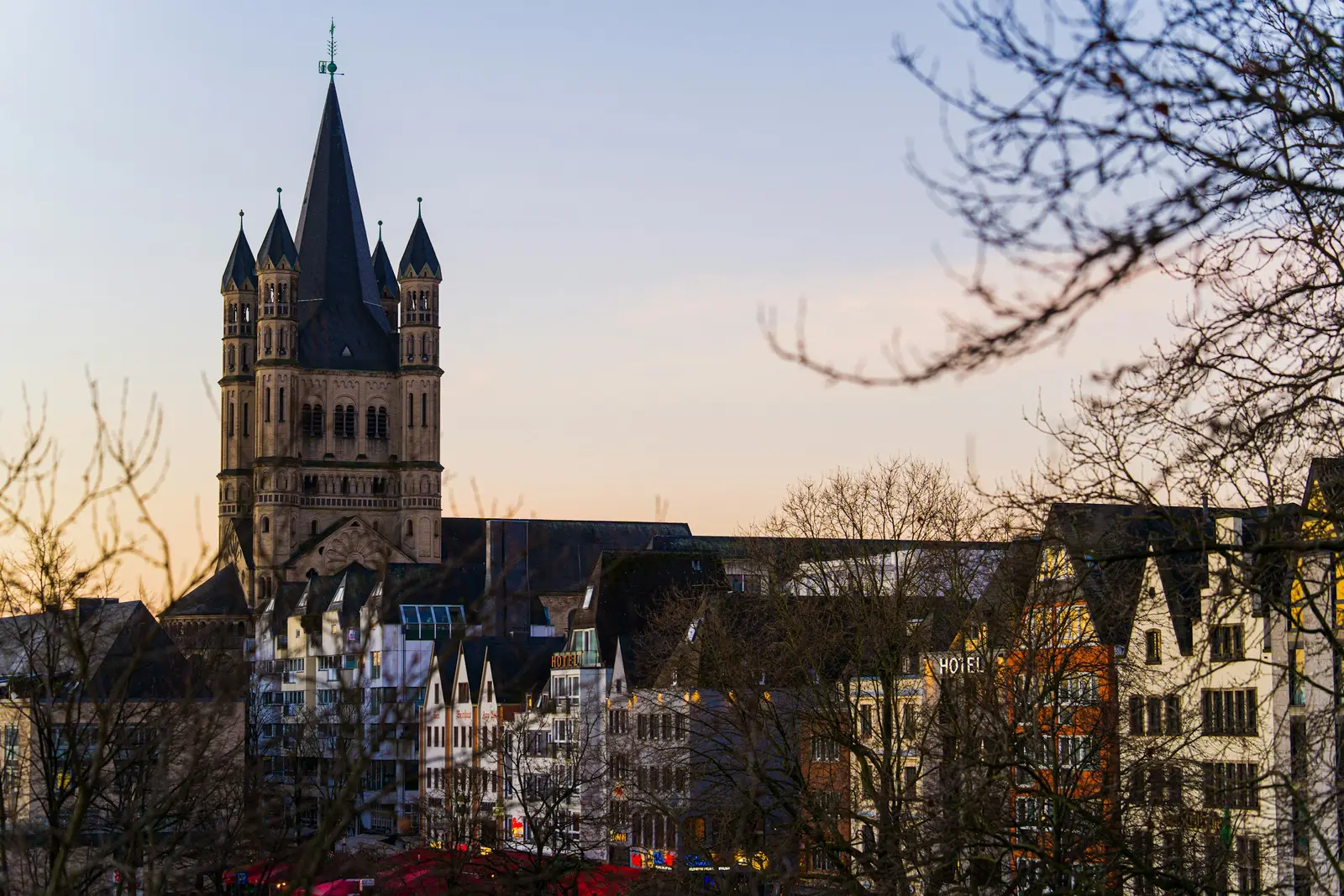
Köln
Every Cologne session begins with the same question: cathedral in the frame or not. If you want it you stand in Deutz on the far bank, and you stand there in the evening — the cathedral is on the west bank, from Deutz you are looking west, so the morning gives you backlight and the late afternoon gives you the facade lit from the front. That is the opposite of what most people assume, and it is the commonest reason for photographs in which the cathedral is a black silhouette. If you do not want it, there is more choice here than the city gets credit for. The Belgisches Viertel is nineteenth-century blocks with trees and holds light down the side streets; the Rheinpark on the Deutz side is a 1957 garden exhibition with the view back across; and the Hohenzollernbrücke carries two subjects at once, the padlocks and the trains. What actually governs the Cologne calendar is Carnival: from the Thursday before Lent to Ash Wednesday the centre is unavailable for anything else, and that is not a day or two but six.
Explore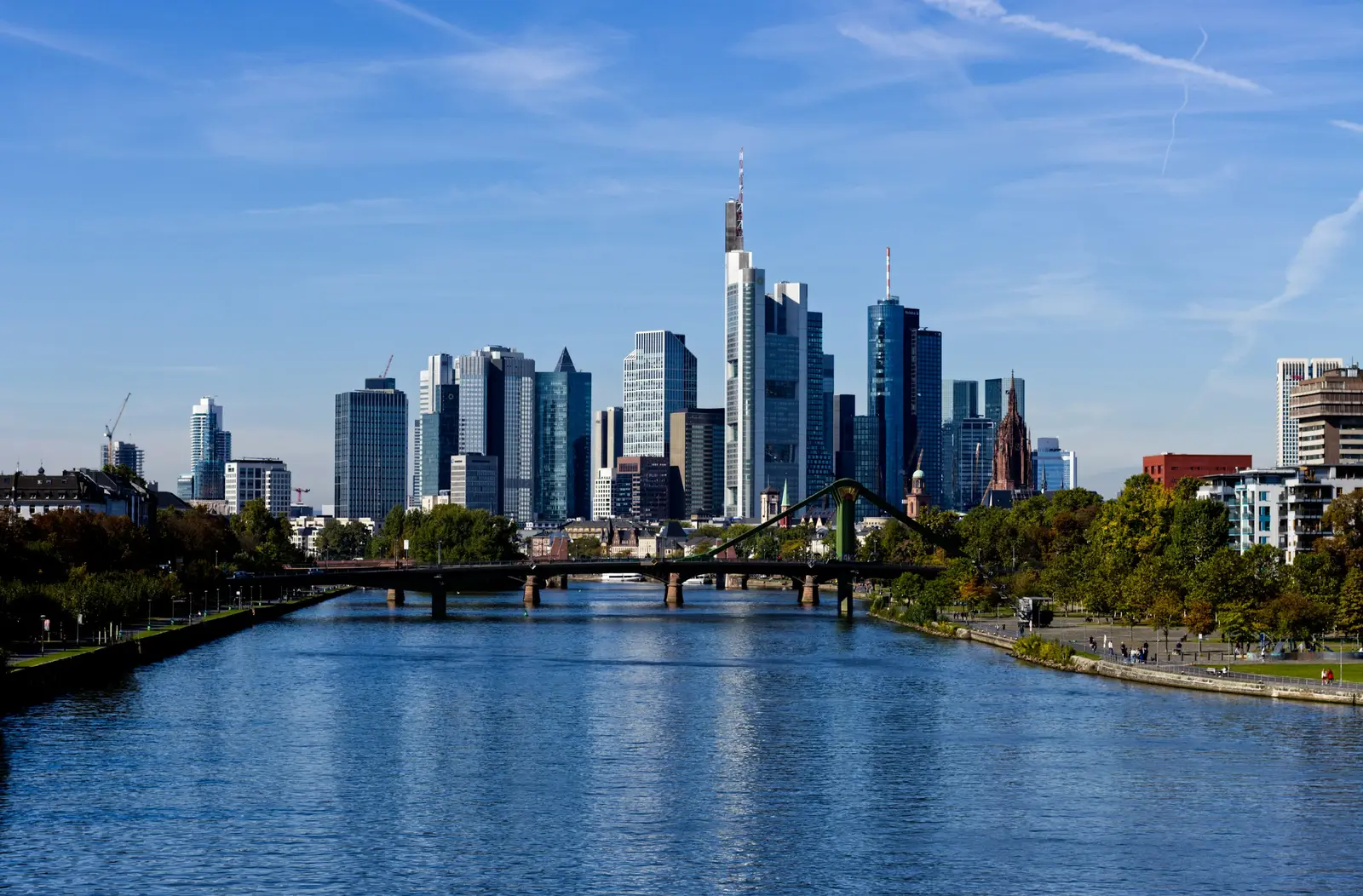
Frankfurt am Main
The skyline stands on the north bank, so you photograph it from the south: the Deutschherrnufer and the Eiserner Steg look north across the Main, and in the evening the sun lays itself across the towers from the left. The Main is barely two hundred metres wide here, which is just enough to fit a tower into a frame without it becoming a stripe. Two streets further on Sachsenhausen begins, timber-framed and cobbled — the contrast is sharp enough that a session can play both registers in forty minutes without getting into a car. What separates Frankfurt from every other city here is the fair calendar. During the Buchmesse, Ambiente or Light + Building the city is full, hotel rates triple or quadruple, and every photographer with corporate clients is booked. For trade-fair work that is the season; for a wedding on the same weekend it is the reason the guests cannot find rooms. Both belong in the same plan, and early.
Explore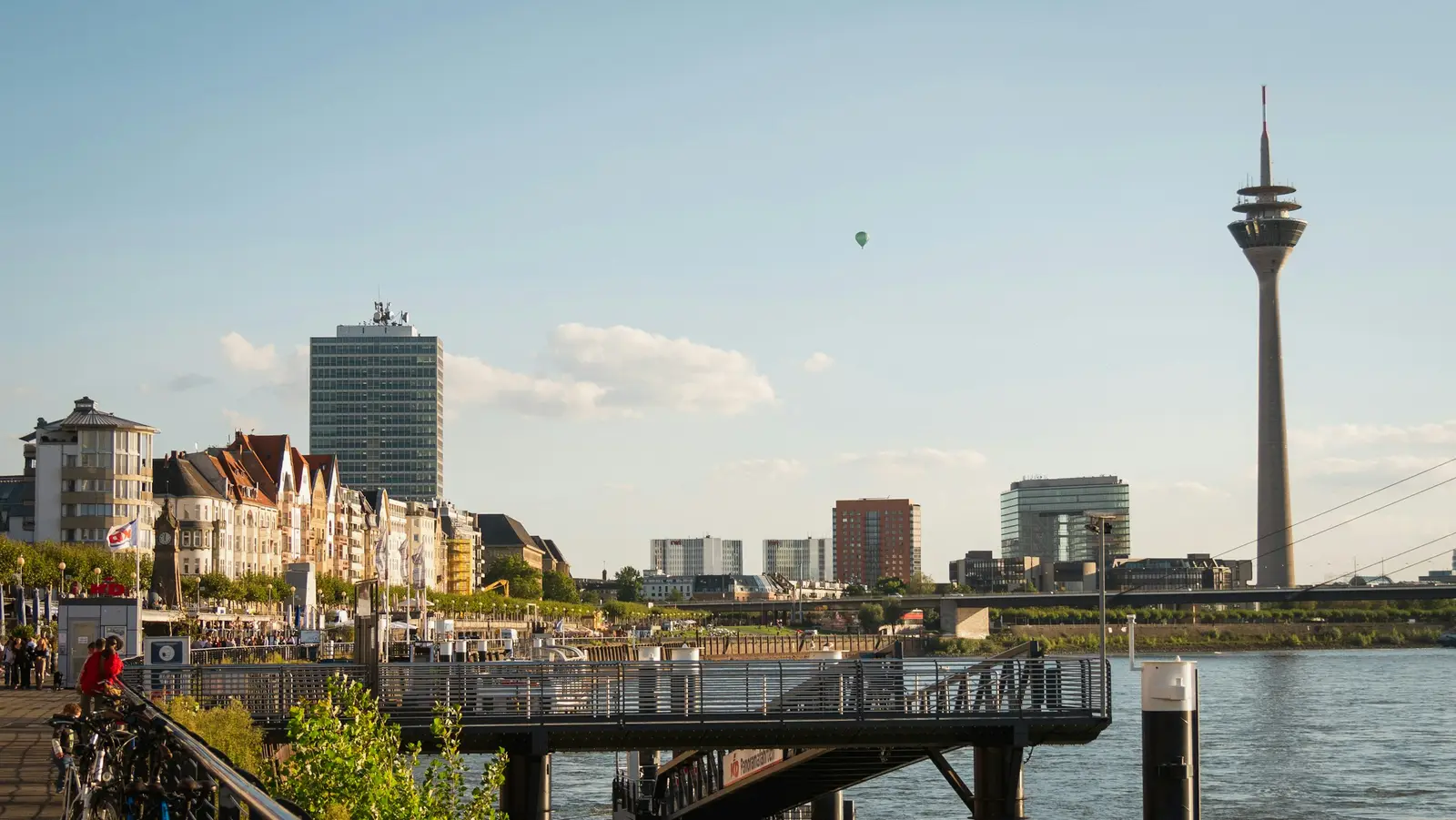
Düsseldorf
Düsseldorf is a city with two faces two hundred metres apart. The Rhine promenade is plane trees, steps down to the water and, on a summer evening, full of people; the Medienhafen behind it is Gehry, glass-clad slopes and after office hours effectively empty. One gives warm soft light and movement, the other hard edges and reflection — and because they are joined on foot, this is the rare session that gets two entirely different registers without anyone getting into a car. The old town between them is a harder subject than it looks: the lanes are narrow, after seven in the evening it is a drinking strip, and in the morning it is being delivered to. If you want it, go early on a Sunday. What Düsseldorf also has and almost nobody plans for is the Japanese quarter around Immermannstraße — the third-largest Japanese community in Europe, with signage, shops and a visual language that exists nowhere else in Germany.
Explore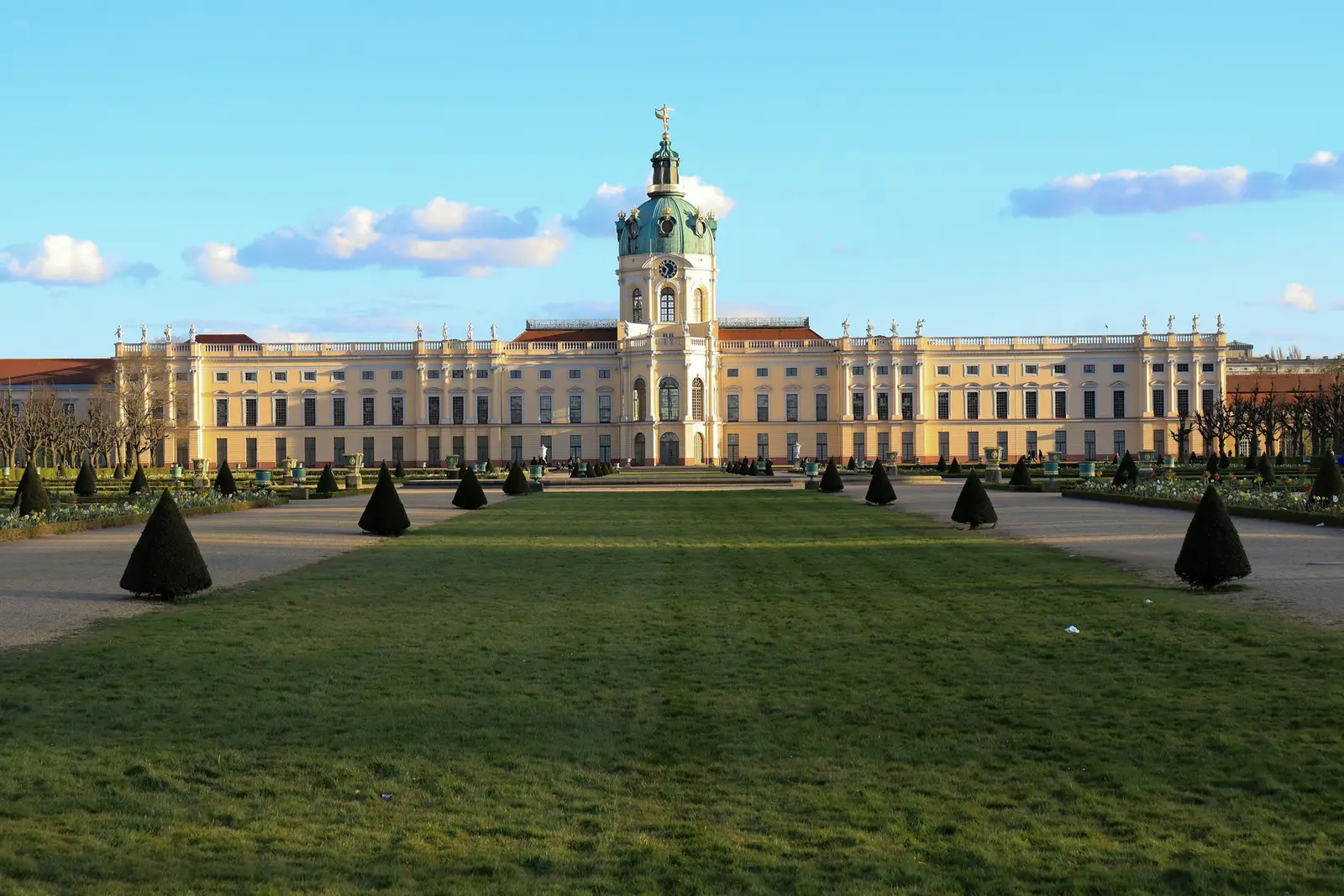
Stuttgart
That is the one sentence that governs planning in Stuttgart, and it is in no forecast. The centre lies two hundred and fifty metres down in a basin whose rim rises to five hundred. Plan the golden hour on the Schlossplatz and you discover it ends forty minutes earlier there than the calendar says. Climb the rim instead — Karlshöhe, Santiago-de-Chile-Platz, the Grabkapelle — and you get the full length of it, with the city underneath as well. The second thing is that wine grows here in the middle of the city. The Stäffele, eight hundred public flights of steps between the vineyards, join the slopes to the valley and are what separates Stuttgart as a subject from every other large German city: rows of vines with a tram behind them. In October, when the leaves turn, that is the best quarter of an hour in the year — and it is ten minutes on foot from the main station.
Explore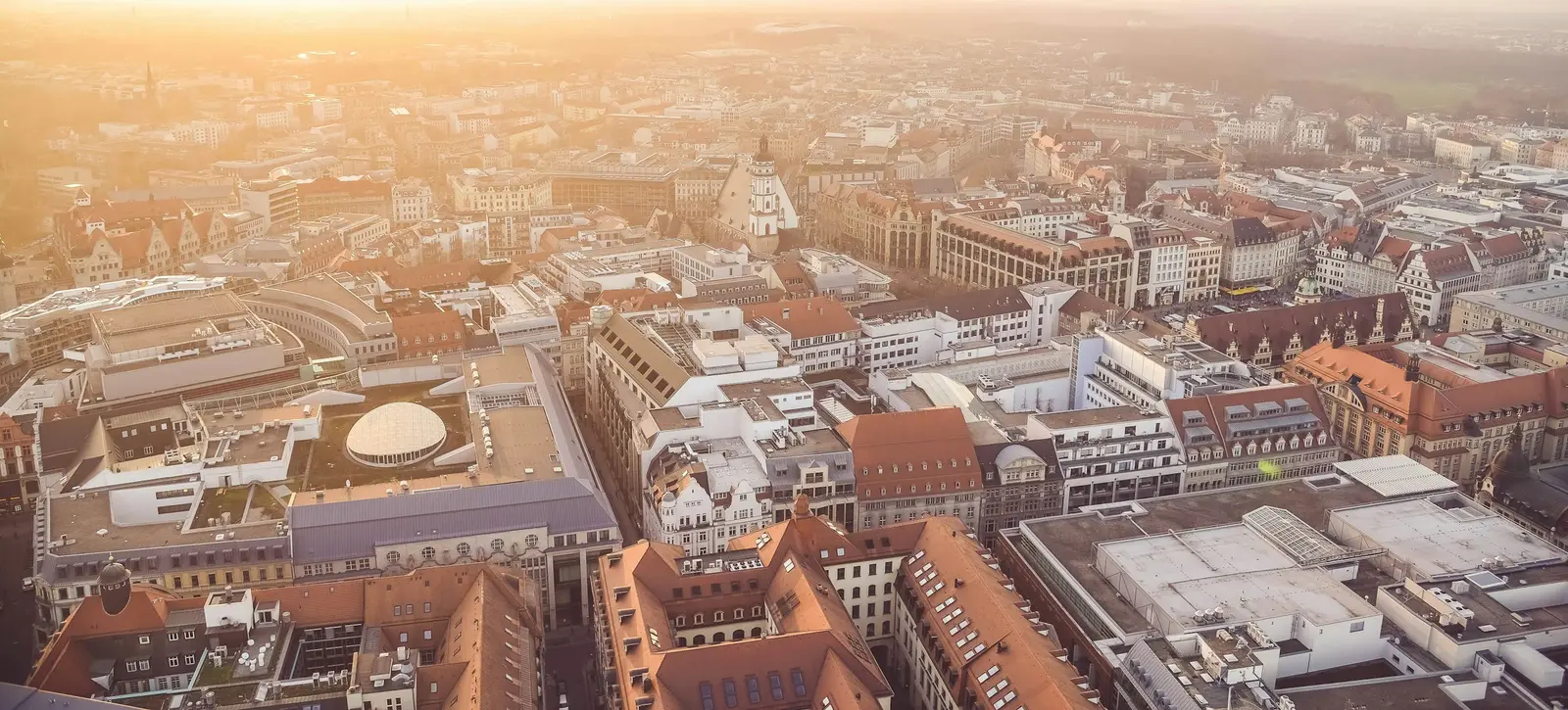
Leipzig
That is the reason Leipzig is in this catalogue and not a larger city. The Spinnerei in the west is twenty brick halls across ten hectares, now studios and galleries, and it is open during the day. For anything that needs rough space — couple sessions with an edge, boudoir, band photographs, personal branding for people who will not stand in front of a white wall — that is a resource you normally only get with a filming permit. Alongside that, Leipzig is a water city, which almost nobody expects. The Karl-Heine-Kanal and the Weiße Elster run through the west with bridges, banks and canoes on them in summer; the floodplain forest reaches almost into the centre and is the largest urban riparian woodland in central Europe. And the city has stayed cheap and young, which in practice means school-leavers’ and student work has a volume a city this size would not otherwise carry — and the centre is photographable on a Saturday.
Explore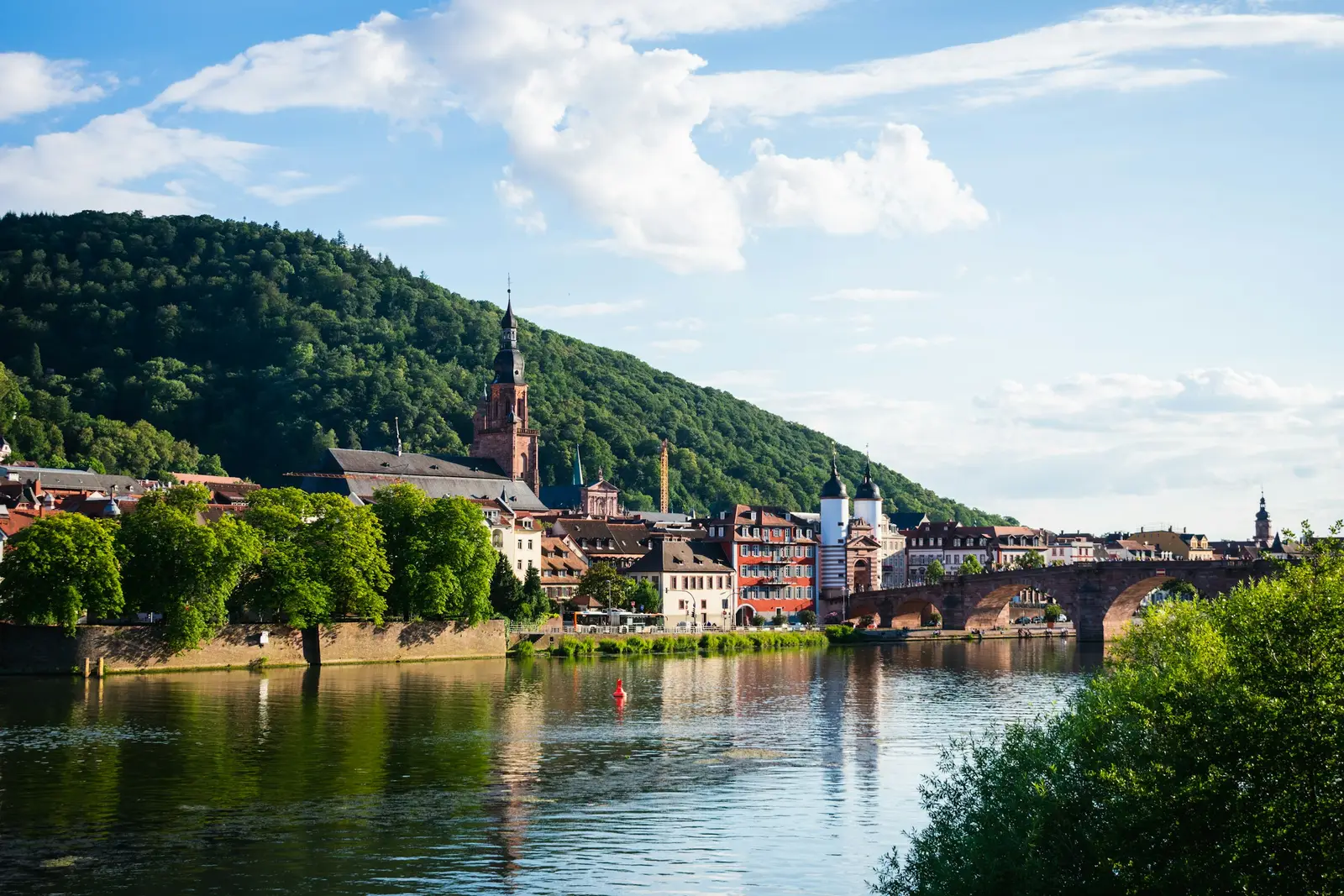
Heidelberg
Heidelberg is the most photographed subject in Germany and is still usually shot wrong. The Philosophenweg on the north side is the place from which the castle, the old bridge and the old town line up on one axis; it climbs steeply, takes twenty minutes on foot, and faces south. Which means backlight in the morning and the whole slope in warm light in the afternoon and evening. Walk up early and you get haze and silhouettes. The second subject is the crowd. Heidelberg has a hundred and sixty thousand residents and some twelve million visitors a year, and they do not spread out. Between ten and five the Hauptstraße is a column of pedestrians and the old bridge is occupied for group photographs by the minute. A session here either starts at seven or it starts at six in the evening, and in between you go down to the Neckar or into the castle gardens, where people disperse.
Explore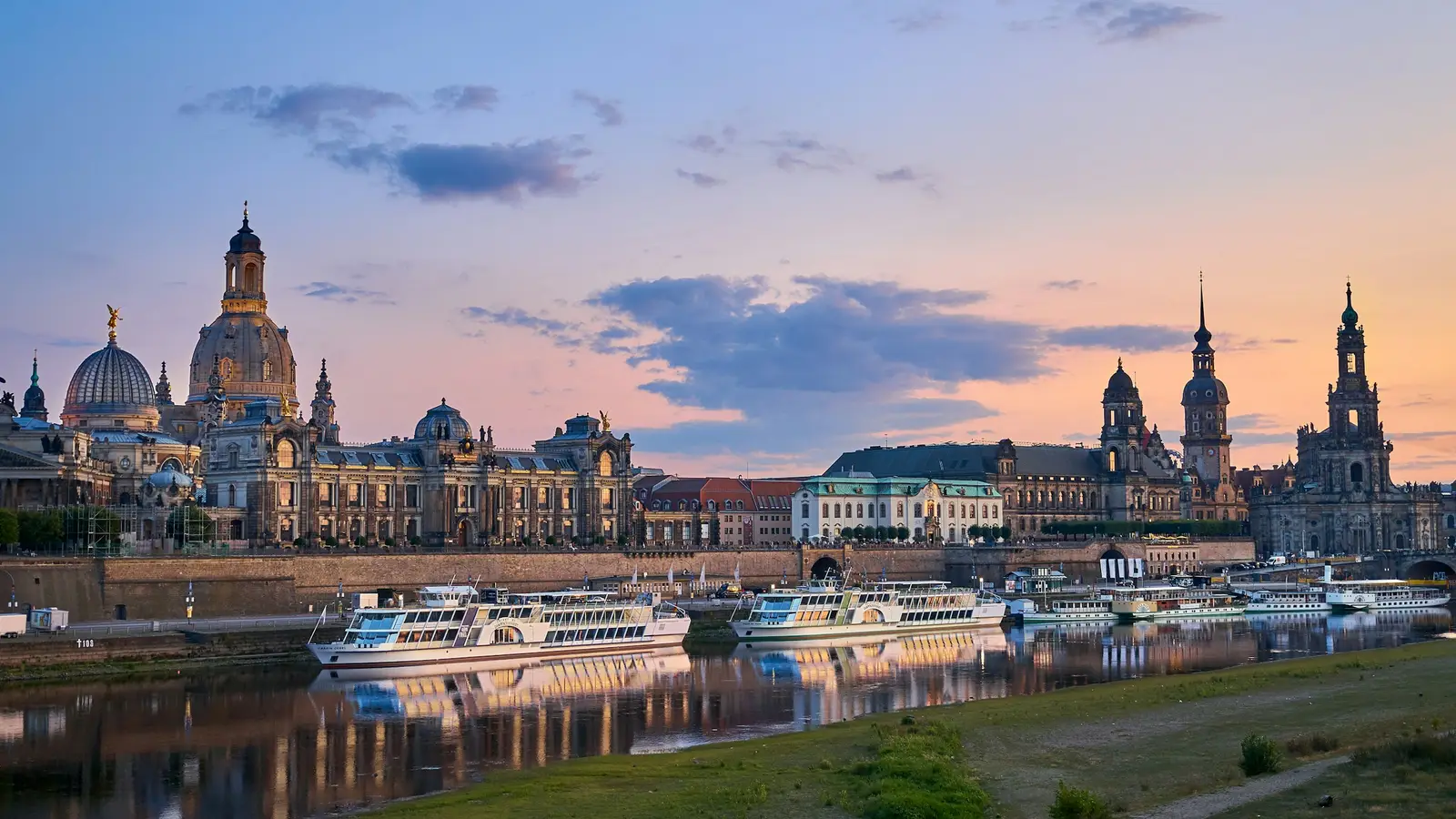
Dresden
The Canaletto view is a painting from 1748, and you can still stand on the exact spot it was painted from. From the Neustadt bank the Hofkirche, the Ständehaus, the Frauenkirche and the Brühl Terrace line up over the water. Because the front faces north it takes raking light from the left in the late afternoon in summer and nothing but diffuse light all day in winter — which means a December booking here looks more honest than a July one at midday. Dresden’s second subject is interiors, and they are tightly governed. The Zwinger, the Semperoper and the Residenzschloss belong to the state art collections or to the Free State, and commercial photography in them needs permission and carries a fee; the Zwinger courtyard does not, but the galleries and pavilions within it can, depending on the area. Anyone planning a wedding in Dresden settles that at the same time as the registry office rather than after it — and the registry office itself sits in a building where photography is allowed, which is not true everywhere.
Explore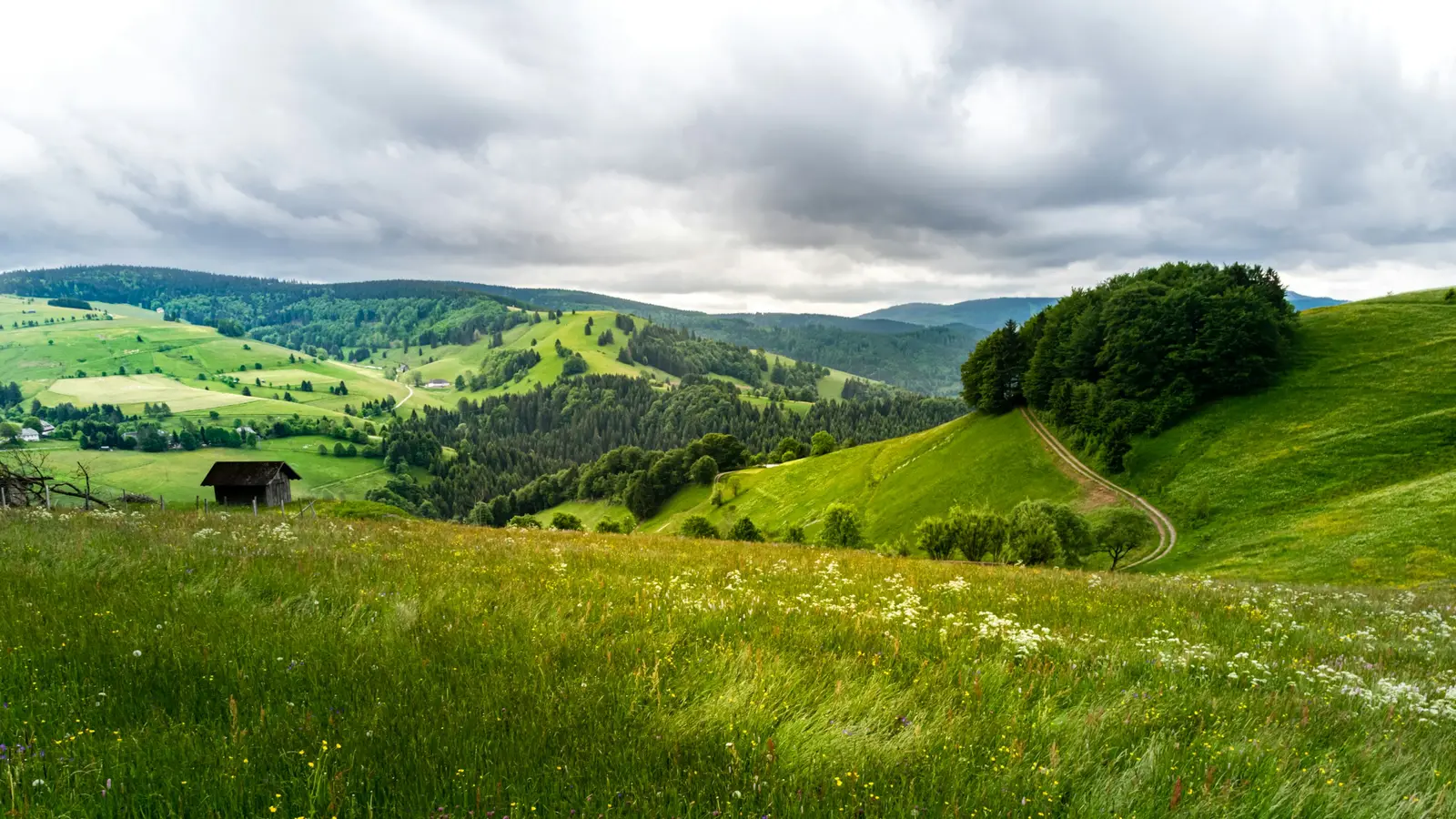
Schwarzwald
The Black Forest is a hundred and sixty kilometres long, and anyone treating it as one place spends the day in a car. In practice it divides into three: the north around the Schwarzwaldhochstraße with the Mummelsee and the Hornisgrinde, the middle around Triberg with the waterfalls, and the south around the Titisee, the Schluchsee and the Feldberg. Two and a half hours of driving separate the northern end from the southern one. A session stays in one of the three. The real subject is a temperature inversion. From late September into November the air cools overnight in the valleys, the fog settles in the bottom of them, and at eight hundred to a thousand metres you stand in clear sun above a closed sea of cloud. It can be read off the forecast the evening before, which makes it plannable — unlike almost everything else in this catalogue. The price is the hour: by nine the fog has often burned off, so a session like that starts before sunrise.
Explore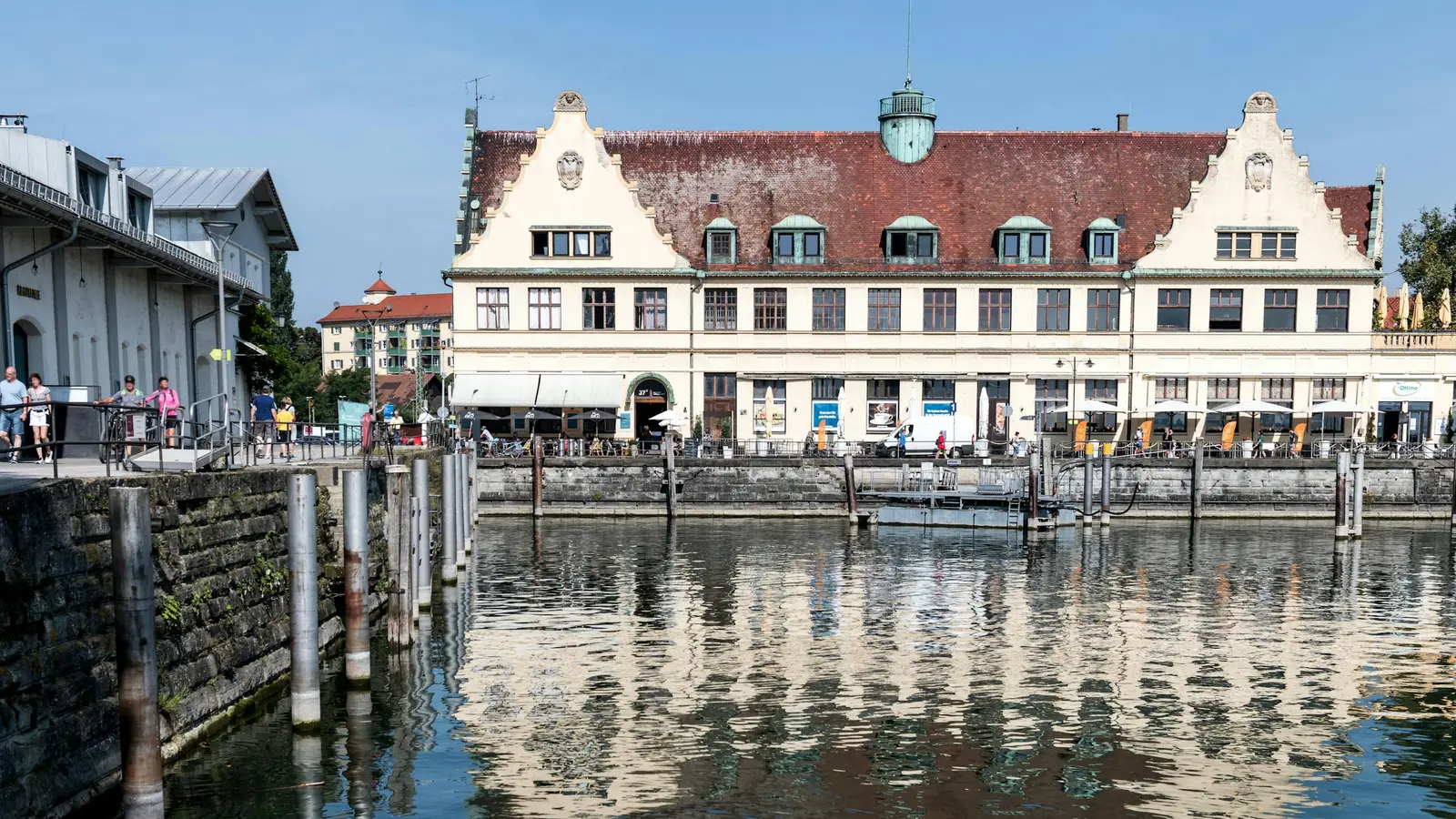
Bodensee
The geography does all the work here. The German shore is the northern one, so from Konstanz, Meersburg, Überlingen or Lindau you look south — across sixty kilometres of water to the Swiss and Austrian mountains. That means two things. First, from the shore you have backlight or side light essentially always, which is ideal for couples and demanding for groups. Second, the Alpine view depends on the weather and is most reliable in spring and late autumn, when the air is clear and the summer haze is absent. The lake is also a mild-climate pocket, and that shifts the season: the fruit blossom on the Höri peninsula and around Meersburg starts in early April in a good year, a fortnight ahead of the rest of southern Germany, and in October the evenings are still warm enough for a session without a coat. What takes arranging is the Mainau — it belongs to a foundation, charges admission and permits commercial photography only by prior agreement. That is not a formality: there are staff on Mainau who ask.
Explore


Why twelve and not eighty
A place is listed here when there is something to say about it
- Places
- 12
- Cities
- 8
- Regions
- 4
- Locations per place
- 5
Germany has eighty cities with more than a hundred thousand residents. Listing all of them would be easy and would mean nothing: eighty pages differing in one proper noun are eighty pages nobody needs to read. A place appears here when there is something to say about it that genuinely changes how a session is planned.
That is rarely the same as a landmark. In Hamburg it is a question of latitude — six hours between December and June, and therefore an hour set by the month. In Cologne it is that the cathedral only fits a frame from the Deutz bank and only takes front light in the afternoon. In Stuttgart it is the basin, which cuts forty minutes off the golden hour. None of that is in a guidebook, and it is why these pages exist.
Eight of the twelve are cities people live and work in: weddings, christenings, first days of school, application photographs and trade-fair work sit there. Four are places people travel to — Heidelberg, Dresden, the Black Forest and Lake Constance — and there the weight shifts to couple sessions, humanist ceremonies and weddings that guests fly in for.
Every place page names five specific locations with their hour and their permit position, the seasonality across the year, and which services are actually asked for there. If your town is not on the list, ask anyway: the surrounding areas named on each page are covered with no travel charge.